

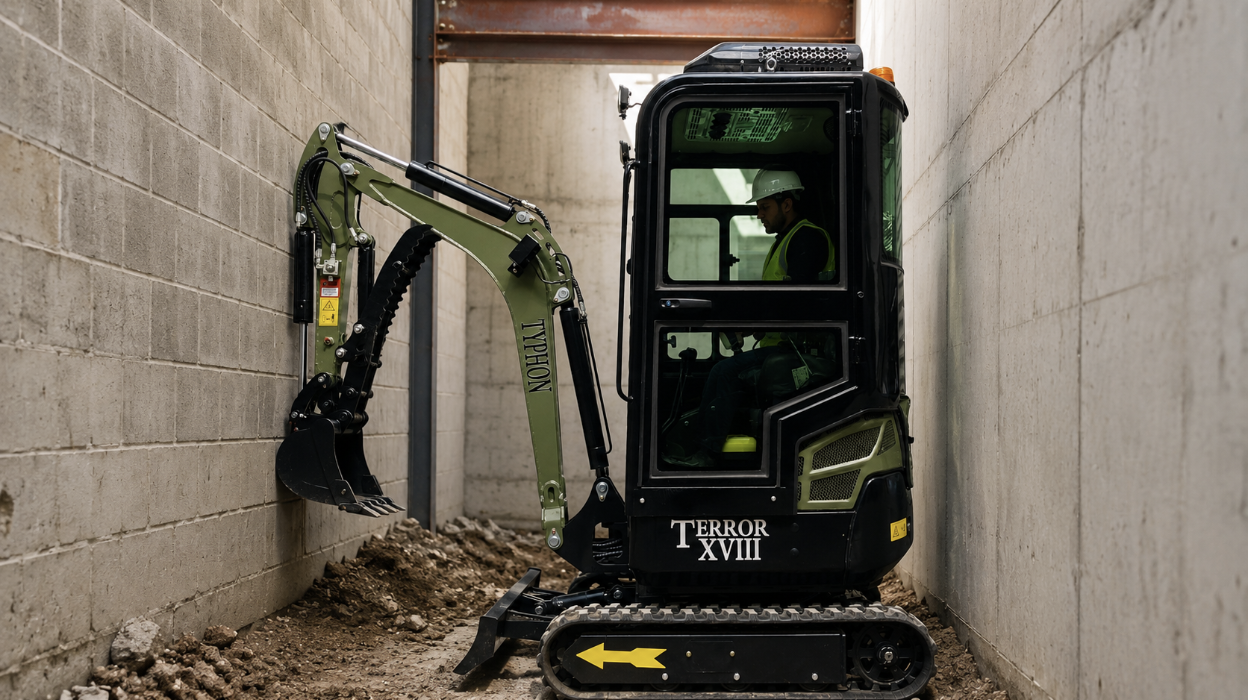
Raw engine horsepower means absolutely nothing if your heavy equipment cannot transfer that energy effectively into the ground. The hydraulic system serves as the undisputed muscle of your construction machinery, turning rotational engine power into the devastating breakout force required to move heavy earth. For decades, contractors simply evaluated machines based on their gross lifting capacity, ignoring the complex internal mechanics that actually dictated daily performance. When you understand how these internal fluid systems operate, you unlock the ability to maximize your daily production and secure a massive competitive advantage.
We know that protecting your project timelines and profit margins requires deploying highly capable, relentlessly efficient machinery. Modern engineering has completely transformed how hydraulic fluid travels through these massive earthmovers, prioritizing intelligent power distribution over sheer, unrefined volume. This comprehensive guide explores exactly how advanced fluid dynamics drastically improve your daily job site operations. You will discover how modern hydraulic architecture, precise flow management, and dynamic pressure control directly influence your machine output. By understanding these core mechanical principles, you empower your contracting business to select the exact machinery needed to execute complex jobs with absolute professional authority.
The Foundation of Modern Hydraulic Architecture
Every successful heavy lift begins with an intelligently engineered mechanical foundation. The hydraulic architecture of a modern excavator or wheel loader encompasses the entire physical network of primary pumps, high-pressure hoses, distribution manifolds, and massive steel cylinders. In older machinery, this architecture was often highly inefficient, relying on long, convoluted hose routing that forced hydraulic fluid to travel excessive distances before reaching the work tool. This unnecessary travel created immense internal friction, which rapidly converted your expensive diesel fuel into damaging internal heat rather than useful mechanical work.
Modern manufacturers completely reinvented this structural layout to eliminate wasted energy and protect your operational budget. By positioning the primary hydraulic pumps closer to the main distribution valves and utilizing larger diameter steel piping, engineers drastically reduced the physical resistance within the system. Fluid travels instantly and smoothly from the reservoir directly to the heavy lift cylinders. This brilliant routing ensures that the maximum possible percentage of your engine horsepower translates directly into aggressive digging force at the bucket edge.
Furthermore, this streamlined architecture significantly reduces the amount of destructive heat generated during a long operational shift. When hydraulic oil overheats, it loses its essential viscosity, causing the entire machine to become sluggish and unresponsive. By prioritizing direct fluid pathways, modern machinery keeps the internal operating temperatures exceptionally stable. This careful temperature management guarantees that your operators experience the exact same crisp, powerful lifting performance in the late afternoon as they did when the shift began.
Intelligent Flow Management for Unmatched Speed
In the heavy equipment industry, the flow rate of your hydraulic fluid directly dictates the physical speed of your loader arms and excavator booms. A machine that delivers high flow rates allows your operators to execute rapid loading cycles and move massive volumes of material in record time. However, blindly pumping maximum fluid volume through the system at all times creates severe logistical problems. Pumping excess fluid when the machine is merely idling or performing delicate grading wastes immense amounts of fuel and places unnecessary strain on the internal seals.
To solve this expensive problem, premium equipment utilizes highly advanced, load-sensing variable displacement pumps. These intelligent pumps constantly monitor the exact physical demands placed on the machine by the operator. If the operator slightly deflects the joystick to carefully position a heavy concrete pipe, the pump adjusts its internal geometry to deliver only a tiny, precise trickle of fluid. When the operator pushes the joystick completely forward to aggressively load a commercial dump truck, the pump instantly opens up to deliver maximum flow.
This responsive flow management guarantees that your machine only works as hard as the specific task requires. It completely eliminates the wasted energy associated with pumping high-pressure fluid over a relief valve back into the main reservoir. Your operators gain the ability to transition seamlessly between lightning-fast loading cycles and surgical material placement without ever touching a manual throttle dial. This intelligent adaptation ensures your fleet operates at peak financial efficiency throughout the entire project lifespan.
Mastering Pressure Control for Heavy Lifting
While fluid flow dictates operational speed, hydraulic pressure determines the raw physical strength of your heavy equipment. When your excavator encounters a massive vein of buried rock or a deeply compacted layer of heavy clay, the machine requires immense pressure to pry the material loose. If the hydraulic system cannot build and sustain this extreme pressure, the cylinders will simply stall, stopping your entire earthmoving operation dead in its tracks. We understand that your business relies on overcoming these severe physical obstacles quickly and safely.
Advanced hydraulic efficiency design ensures that pressure builds instantly and holds steady under the most extreme job site conditions. Modern main control valves feature specialized pressure compensation technology that balances the workload across multiple moving cylinders. When an operator simultaneously lifts the main boom, extends the heavy stick, and curls the digging bucket, the system intelligently distributes the pressure to prevent any single function from starving for power. This sophisticated balancing act allows the machine to maintain its aggressive breakout force even while performing highly complex, multi-axis movements.
Furthermore, advanced pressure control systems actively protect your engine from stalling under heavy loads. If the hydraulic pressure suddenly spikes as the bucket strikes an immovable underground obstacle, the system automatically destokes the main pump to reduce the load on the diesel engine. This proactive power management keeps the engine running securely within its optimal torque curve. By preventing violent engine stalls and hydraulic overloading, you protect your expensive capital investments from premature mechanical failure.
Enhancing System Responsiveness and Accuracy
The speed at which a machine reacts to an operator’s command completely defines the overall driving experience. A sluggish hydraulic system forces the operator to constantly anticipate delays, severely slowing down their natural working rhythm and causing immense mental frustration. When your highly paid tradesmen fight against unresponsive equipment, your daily production plummets and your project deadlines slip away. Achieving maximum daily output requires machinery that acts as a seamless, instant extension of the operator’s hands.
Modern electro-hydraulic control systems perfectly bridge the gap between human intention and mechanical execution. By replacing outdated mechanical linkages with instant digital signals, the main control valves open and close with surgical precision. The moment your operator moves the joystick, the hydraulic cylinders respond immediately without any hesitant jerking or unpredictable lagging. This crisp, highly predictable responsiveness allows your crew to operate the machinery confidently at maximum speed, drastically reducing your average cycle times.
This exceptional accuracy also plays a vital role in preserving the physical health of your dedicated workforce. Because the digital joysticks require virtually zero physical effort to move, your operators avoid the chronic shoulder and wrist fatigue associated with wrestling heavy mechanical levers. When your team remains physically comfortable and highly focused, they naturally produce better results, maintain safer work zones, and consistently exceed the expectations of your demanding clients.
The Impact on Fuel Economy and Lifecycle Costs
The profound benefits of optimized hydraulic systems extend far beyond raw digging power and rapid cycle times. The way your machine manages its internal fluid dynamics directly dictates its overall fuel consumption and long-term ownership costs. A poorly designed hydraulic system forces the diesel engine to run at maximum throttle continuously just to overcome the immense internal friction of the fluid network. This aggressive, wasteful operation rapidly drains your daily project budget through exorbitant diesel fuel expenses.
Implementing a rigorous hydraulic efficiency design completely reverses this financial drain. Because load-sensing pumps only demand engine horsepower when actively working, the machine can perform heavy lifting tasks while running at significantly lower engine RPMs. Operating at a lower engine speed instantly slashes your hourly fuel consumption without sacrificing a single ounce of breakout force. Over the course of a demanding commercial contract, these continuous fuel savings heavily fortify your profit margins and make your contracting firm significantly more competitive.
Additionally, highly efficient fluid management drastically extends the operational lifespan of your critical wear components. When a system avoids generating destructive internal heat and prevents severe pressure spikes, the expensive hydraulic hoses, main pump seals, and cylinder packings survive much longer. You immediately reduce your routine preventative maintenance costs and virtually eliminate the threat of unexpected, catastrophic fluid leaks on the job site. Building a highly reliable fleet guarantees your business remains an unstoppable, deeply trusted force in the construction market.
Conclusion
Securing the long-term success of your contracting business requires demanding absolute mechanical perfection from your heavy equipment. You simply cannot afford to let sluggish lifting cycles, wasted diesel fuel, or weak breakout force derail your complex commercial projects. By deeply understanding the profound importance of modern fluid dynamics, you empower your management team to make strategic, highly profitable equipment investments.
We encourage you to carefully evaluate the internal engineering of your current heavy machinery fleet. Look closely at how effectively your excavators and wheel loaders manage their fluid flow, prioritize system pressure, and respond to operator commands. Invest confidently in advanced machinery that prioritizes intelligent power distribution over unrefined, wasteful operation. By prioritizing these sophisticated mechanical systems, you ensure your workforce operates with unmatched speed, protects your vital working capital, and consistently delivers the exceptional results your customers demand.