
The construction industry demands relentless performance, uncompromising safety, and absolute precision on every job site. Over the past decade, the machinery powering these projects has undergone a radical transformation. The days when simply building a bigger, heavier machine was the only way to increase operational power are over. Today, manufacturers rely on brilliant engineering and technological innovation to deliver equipment that works smarter, faster, and much more cost-effectively.
We know that your profitability relies heavily on the capabilities and reliability of your fleet. When you bid on a complex project, you need total confidence that your heavy machinery will perform flawlessly under pressure. Understanding the specific advancements in modern engineering allows you to make strategic equipment investments that directly protect your bottom line. This focus on maximizing output while minimizing waste is the absolute core of modern machinery development.
This guide explores exactly how current engineering advancements maximize your daily construction equipment efficiency. We will delve deeply into the revolutionary changes in hydraulic optimization, intelligent compact design, and massive fuel efficiency improvements. By understanding the sophisticated mechanics driving your heavy equipment, you can confidently upgrade your fleet and secure a massive competitive advantage in a demanding market.
The Shift in Modern Heavy Equipment Design
Historically, heavy equipment manufacturers focused primarily on raw horsepower and massive physical weight to conquer tough job sites. While those massive machines could certainly move earth, they consumed staggering amounts of diesel fuel and struggled to maneuver efficiently. The modern approach to equipment manufacturing has completely shifted away from brute force and moved toward intelligent, highly calibrated mechanical synergy.
Current engineering philosophies prioritize the flawless integration of the engine, the hydraulic system, and the electronic controls. Modern heavy equipment design treats the machine as a single, cohesive ecosystem rather than a collection of independent parts. This seamless communication between internal components ensures that the machine generates exactly the right amount of power required for the immediate task, eliminating wasted energy and reducing structural wear.
This sophisticated design approach directly benefits your daily operations. When a machine operates in perfect mechanical harmony, it experiences far fewer breakdowns and requires significantly less routine maintenance. You benefit from a highly reliable asset that stays out of the repair shop and remains on the job site, consistently generating revenue and exceeding your clients’ expectations.
Hydraulic Optimization for Unmatched Precision
The true muscle of any heavy construction machine lies within its hydraulic system. Older equipment relied on fixed-displacement hydraulic pumps that constantly pumped fluid at a maximum rate, regardless of what the operator was actually doing. This outdated design wasted a tremendous amount of engine power and generated excessive, damaging heat within the hydraulic lines.
To achieve superior construction equipment efficiency, engineers developed highly advanced load-sensing hydraulic systems. These modern systems utilize variable-displacement pumps that “listen” to the operator’s joystick inputs. The pump only delivers the precise volume and pressure of hydraulic fluid required to execute that specific movement. If the operator is performing a delicate grading task, the system dials back the pressure. When the bucket hits a solid wall of compacted clay, the system instantly ramps up the force to break through.
This intelligent hydraulic optimization results in incredibly smooth, predictable machine movements. Your operators can execute complex, multi-functioning tasks simultaneously without experiencing sudden power drops or jerky boom movements. This level of precision protects delicate underground utilities, prevents costly material spills, and significantly accelerates your overall project timelines.
Intelligent Compact Design for Confined Spaces
As construction projects increasingly shift toward urban redevelopment and localized infrastructure upgrades, the physical size of your equipment becomes a critical factor. Bringing a massive, oversized excavator into a narrow residential street creates severe logistical bottlenecks and massive safety hazards. The engineering solution to this modern challenge is the relentless refinement of compact machine design.
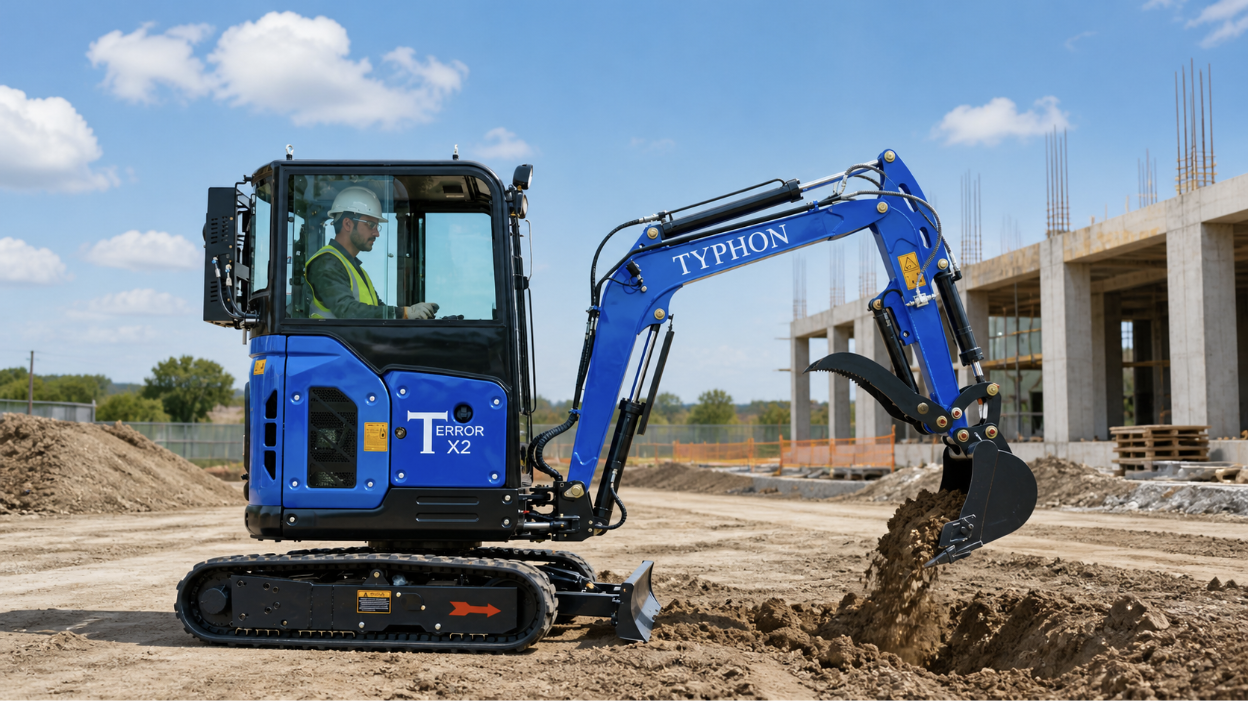
Manufacturers have successfully figured out how to pack the lifting and digging capabilities of a mid-sized machine into a remarkably small physical footprint. By reimagining the internal layout of the engine compartment and the counterweight system, engineers have created machines that offer phenomenal stability without the bulky exterior. The rise of zero tail swing excavators perfectly illustrates this incredible innovation.
With a zero tail swing design, the rear housing of the machine never extends beyond the width of the tracks during rotation. Your operator can work confidently right against a concrete foundation or a brick wall without worrying about swinging the heavy counterweight into the structure. This compact engineering grants you access to lucrative, tight-quarter contracts that companies relying solely on traditional equipment simply cannot accept.
Significant Fuel Efficiency Improvements
Fuel consumption remains one of the highest daily operating expenses for any heavy construction firm. Decades ago, people simply accepted massive plumes of black diesel smoke as a normal part of heavy earthmoving. Today, stringent environmental regulations and a focus on operational cost reduction have driven phenomenal advancements in engine fuel efficiency.
Modern construction machines utilize highly advanced, electronically controlled fuel injection systems. These systems monitor engine load, ambient air temperature, and hydraulic demand thousands of times per second. They inject the absolute perfect microscopic mist of diesel fuel directly into the combustion chamber at the exact right millisecond. This complete combustion extracts every single ounce of energy from the fuel, drastically lowering your daily diesel consumption.
Furthermore, most modern machines now feature selectable electronic work modes. When your crew is performing light material handling or final grading, the operator can engage an “Eco-Mode” that limits maximum engine RPMs while maintaining full hydraulic speed. This simple electronic adjustment can reduce your daily fuel burn by up to twenty percent, directly protecting your carefully calculated profit margins without ever sacrificing job site productivity.
Advanced Cooling Systems and Thermal Management
Generating massive power naturally creates intense heat, and excessive heat is the primary enemy of heavy machinery. Older machines utilized single, massive, engine-driven cooling fans that drained tremendous horsepower and roared loudly all day long. Modern heavy equipment design takes a much more strategic approach to thermal management, further enhancing the overall efficiency of the machine.
Engineers now utilize independent, hydraulically driven cooling fans that operate entirely separately from the engine speed. Sensors located throughout the machine monitor the temperatures of the coolant, the hydraulic oil, and the intake air. The cooling fan only spins as fast as necessary to maintain the optimal operating temperature for all systems. This intelligent thermal management frees up massive amounts of engine horsepower, allowing that energy to be redirected straight into the hydraulic digging systems.
Many of these advanced cooling fans also feature an automatic reversing function. When operating in dusty environments or highly congested demolition sites, the fan will periodically reverse its direction to blow accumulated debris completely out of the radiator fins. This self-cleaning feature ensures the cooling system always operates at peak efficiency, preventing dangerous engine overheating and eliminating the need for operators to manually clean the radiators during their shift.
Electronic Telematics and Operational Tracking
Mechanical efficiency is perfectly complemented by modern digital tracking capabilities. Today’s heavy machinery comes factory-equipped with advanced telematics systems that constantly transmit vital health and performance data directly to your fleet management dashboard. This seamless integration of software and steel represents a massive leap forward in total operational efficiency.
You can instantly view critical metrics such as daily idle time, precise fuel consumption rates, and operator behavior across your entire fleet. If a specific wheel loader sits idling for hours on a job site, the software alerts you immediately, allowing you to correct the inefficient behavior and stop wasting expensive fuel. This total operational transparency guarantees that you are maximizing the mechanical capabilities of your expensive assets.
Telematics also revolutionizes your preventative maintenance programs. Instead of guessing when a machine needs service, the equipment accurately reports its own filter life and fluid conditions. By scheduling maintenance based on exact engineering data rather than rough estimates, you eliminate unnecessary service costs and prevent the catastrophic, unexpected breakdowns that destroy project timelines.
Conclusion
The era of relying solely on brute force to conquer modern construction challenges has officially ended. Today’s most successful contractors understand that true profitability is driven entirely by intelligent engineering and calculated mechanical precision. By embracing the incredible advancements in modern heavy equipment design, you empower your workforce to achieve exceptional results in significantly less time.
The remarkable integration of hydraulic optimization, intelligent compact footprints, and aggressive fuel efficiency improvements guarantees that your fleet operates at its absolute peak potential. We encourage you to evaluate your current heavy machinery and calculate exactly how much time and fuel outdated equipment costs your business. Invest in highly efficient, thoroughly modern construction equipment, and secure the reliable, unstoppable performance your growing company requires to dominate the market.