

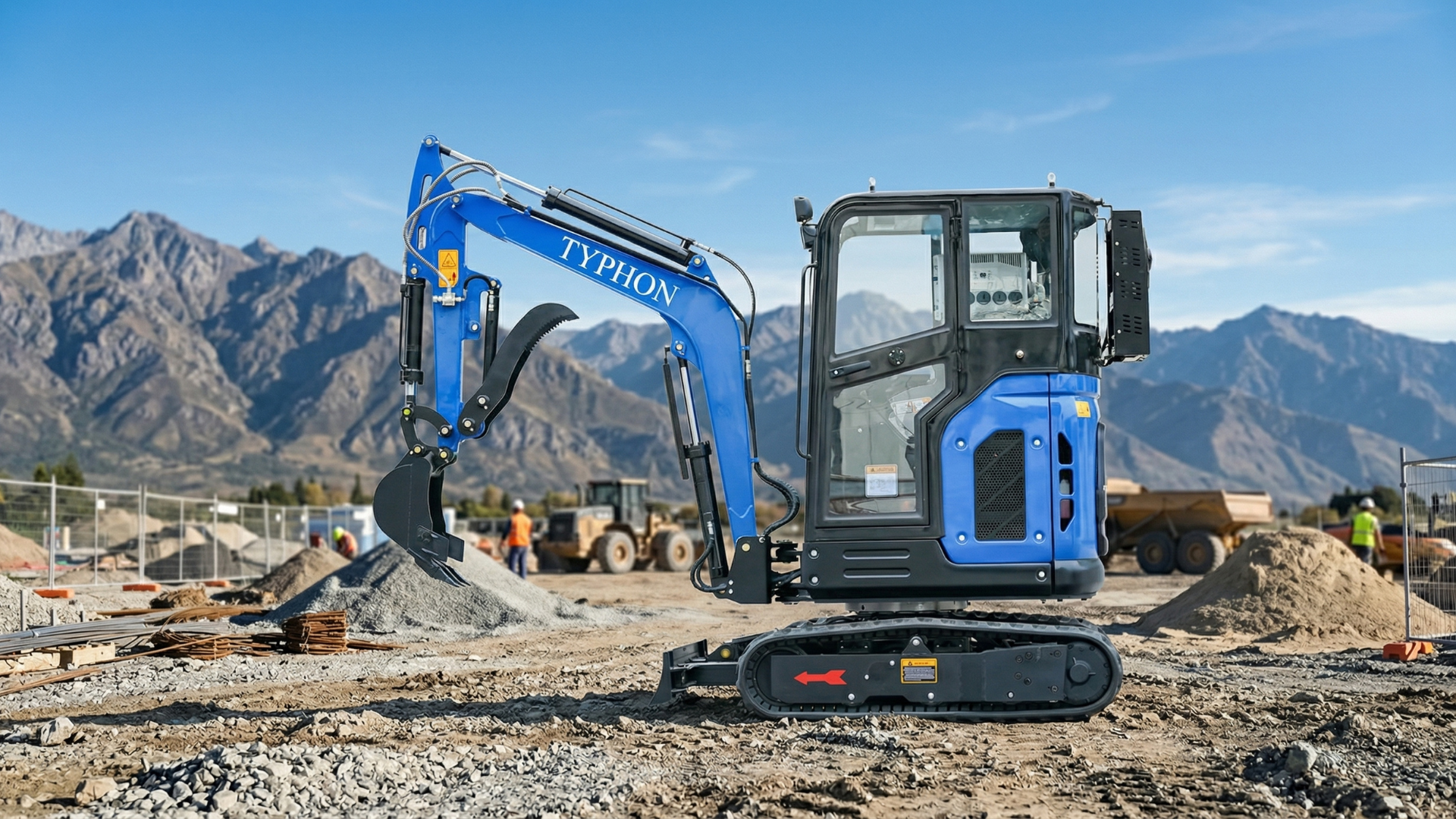
Stepping into the cab of a compact excavator provides an incredible advantage for any construction or landscaping project. These agile machines deliver massive hydraulic power into highly restricted spaces. However, harnessing that power correctly requires strict discipline, thorough knowledge, and an unwavering respect for site safety. When you master the fundamentals of heavy equipment operation, you instantly elevate your project’s profitability and protect your crew from severe hazards.
Achieving efficient mini excavator operation means moving maximum material with minimal mechanical strain. It requires a deep understanding of fluid dynamics, spatial awareness, and proper attachment usage. We designed this comprehensive guide to walk you through the exact steps required to manage these powerful machines with professional confidence.
We will explore mandatory pre-operation checks, explain the basic cabin controls, and provide authoritative mini excavator safety tips. You will also learn advanced techniques for efficient digging and precise material handling.
The Importance of Pre-Operation Inspections
A successful and productive shift begins long before you turn the ignition key. Professional operators never assume a machine is ready for heavy labor without physically verifying its condition. Conducting a rigorous walkaround inspection protects your massive capital investment and prevents sudden, dangerous mechanical failures.
You must begin every morning by checking the vital engine fluids. Pull the dipstick to verify the engine oil level, and inspect the hydraulic fluid sight glass. Operating a machine with low hydraulic fluid starves the main pump, leading to catastrophic internal friction and highly expensive repairs. Ensure the engine coolant reservoir is full to prevent overheating during long shifts under the hot sun.
Next, you must inspect the structural integrity of the machine’s undercarriage. Walk around the tracks and look for deep cuts in the rubber or packed mud severely stretching the track tension. Look closely underneath the chassis and along the boom arm for any fresh drips of hydraulic oil. Catching a weeping hose early prevents high-pressure blowouts that can spray scalding oil across your job site.
Mastering the Basic Cabin Controls
Once you secure the exterior of the machine, you must familiarize yourself perfectly with the interior environment. Modern excavators utilize highly sensitive electro-hydraulic controls. You must understand exactly how the machine will respond before you ever attempt to lift a heavy load.
Understanding the Joysticks
The two main joysticks dictate the movement of the heavy boom arm and the rotating cabin. The left joystick controls the left-and-right swing of the entire upper house. Pushing the left joystick forward pushes the secondary arm away from you, while pulling it backward brings that arm closer to the cab.
The right joystick controls the main boom elevation and the curling of the heavy steel bucket. Pushing the right joystick forward lowers the entire boom toward the ground, and pulling it back raises the boom into the air. Moving the right joystick left and right curls and uncurls the bucket to scoop or dump heavy materials.
Operating the Travel Pedals and Blade
On the floor of the cabin, you will find two large travel pedals connected to hand levers. Pushing both pedals forward drives the machine straight ahead, while pulling them backward moves the machine in reverse. Pushing only one pedal causes the tracks to counter-rotate, allowing the machine to turn completely around within its own footprint.
To your right side sits the backfill blade control lever. This lever raises and lowers the heavy steel grading blade mounted to the front of the undercarriage. This blade acts as your primary anchor during heavy digging operations, providing the stability required to break through highly compacted earth without dragging the machine forward.
Essential Mini Excavator Safety Tips

Protecting your crew and your property serves as the absolute highest priority for any contracting business. Heavy machinery does not forgive careless errors or rushed decisions. You must implement strict mini excavator safety tips into your daily operational routine.
Your first action inside the cab must always be securing your heavy-duty seatbelt. If the machine travels over an unstable trench edge and rolls over, the reinforced steel cabin will protect you. However, this rollover protection structure only works if the seatbelt holds you securely inside the driver’s seat.
Before you break the ground, you must absolutely verify the location of all underground utilities. Call your local utility marking service days before the project begins to mark buried gas, electrical, and water lines. Striking a high-voltage conduit or a pressurized gas main creates an immediate, life-threatening emergency for everyone on the site.
Navigating Slopes and Uneven Terrain
Driving a heavy machine across uneven terrain demands absolute situational awareness. You must keep your center of gravity as low to the ground as physically possible. Never travel with a loaded bucket raised high into the air, as this makes the machine incredibly top-heavy and prone to lateral rollovers.
When navigating a steep incline, you must always drive straight up or straight down the face of the hill. Driving horizontally across a slope shifts the machine’s massive weight entirely onto the downhill track. This uneven weight distribution easily causes the tracks to slide out, leading to a violent and sudden machine flip.
If you must travel up a steep grade, keep the heavy front blade positioned downhill behind you. Extend the boom arm slightly forward and keep the bucket just a few inches off the dirt. If the machine begins to lose traction and slip backward, you can instantly drop the bucket into the dirt to anchor yourself safely.
Techniques for Efficient Mini Excavator Operation

True professionals know how to operate a mini excavator with smooth, deliberate precision. Jerking the joysticks violently causes the machine to bounce, which spills material and rapidly fatigues the operator. You must focus on blending your hydraulic movements seamlessly to achieve efficient mini excavator operation.
Maximizing Your Digging Power
When you prepare to dig a trench, position your tracks perpendicular to the digging line. Lower the front backfill blade firmly into the soil until it lifts the front of the tracks slightly off the ground. This creates a highly stable, rigid platform that allows you to utilize the full breakout force of the hydraulic system.
Reach the boom out, sink the bucket teeth into the dirt, and pull the dipper arm smoothly toward the cab while simultaneously curling the bucket. Let the massive hydraulic cylinders do the heavy work, rather than trying to force the bucket through the soil using only the curling motion. Shave the earth away in manageable layers rather than trying to rip out a massive boulder all at once.
Streamlining Material Handling
Job site efficiency relies heavily on minimizing your cycle times. A cycle time represents the total seconds required to dig a scoop of dirt, swing the cab, dump the material, and return to the trench. To shorten this cycle, you must position your dump trucks or spoil piles as close to the excavation point as safely possible.
Aim to keep your cab swing under forty-five degrees. Swinging the machine a full one-hundred-and-eighty degrees wastes precious time and burns unnecessary diesel fuel. By organizing your job site layout strategically, you drastically increase the total volume of material you can move in a single shift.
Answering Your Top Operating Questions
Contractors frequently ask specific questions about mastering their heavy machinery. We believe in providing clear, authoritative answers to help you operate with total confidence and precision. Here are the most common inquiries regarding how to operate a mini excavator effectively.
How long does it take to learn to operate a mini excavator?
Understanding the basic joystick controls typically takes only a few hours of supervised practice in an open, empty dirt lot. However, truly mastering efficient mini excavator operation and achieving precise, smooth grades takes hundreds of hours of dedicated seat time. You must prioritize patience and strict safety protocols as you build your muscle memory.
What is the most important maintenance task for a new operator?
Greasing the machine stands as the single most critical daily maintenance task. The heavy steel pivot pins that connect the boom and bucket endure massive friction during every single movement. Pumping fresh grease into these joints daily flushes out abrasive dirt and prevents the steel pins from wearing out prematurely.
Can I operate a mini excavator in the rain?
You can safely operate these machines in light rain, as the electrical systems are highly weather-resistant. However, heavy rain turns solid ground into slick, highly dangerous mud. If the tracks lose traction and the machine begins to slide uncontrollably toward an open trench, you must immediately shut down operations until the ground dries properly.
Conclusion and Next Steps
Learning how to operate a mini excavator safely and efficiently transforms your ability to execute highly complex projects. By respecting the raw power of the hydraulic system and enforcing strict daily inspections, you protect your crew and your capital investments. Smooth, deliberate movements will always outperform rushed, erratic digging.
We encourage you to practice these fundamental techniques during your next project. Take the time to secure your backfill blade properly before digging, and focus on keeping your material handling swing paths as short as possible. By prioritizing these proven operational strategies, you guarantee your contracting business will consistently deliver reliable, highly profitable results for your clients.