
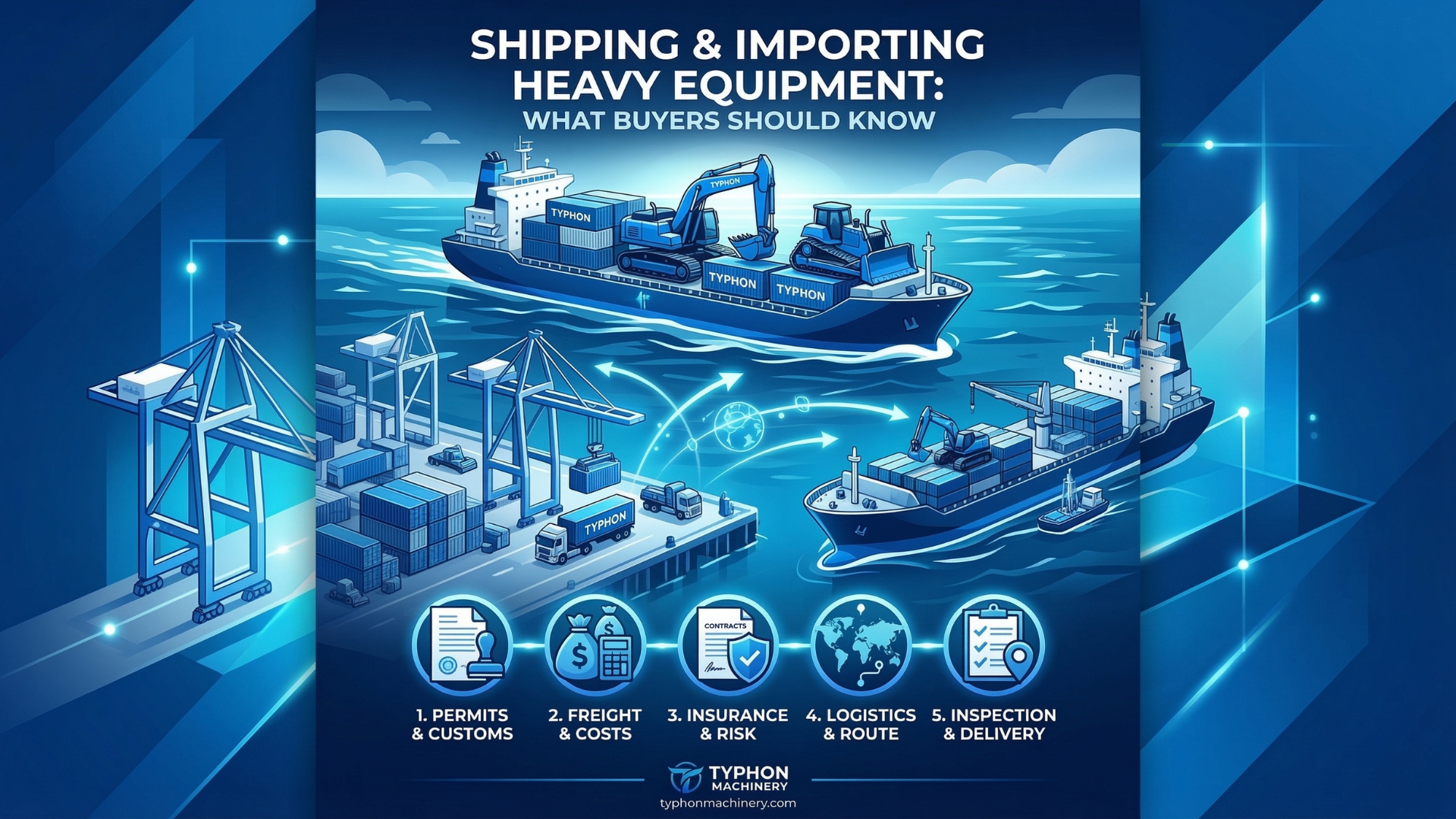
The world is a smaller place than it used to be. Today, a contractor in Texas can buy a mini excavator from halfway across the world with just a few clicks. It’s a great way to get high-quality machines at a much better price. But let’s be honest: buying a huge piece of equipment isn’t the same as ordering a pair of shoes. It involves a lot of moving parts—shipping, paperwork, and rules.
It’s normal to feel a little nervous. You might wonder: Will it show up damaged? Will it get stuck at the port for weeks? These are good questions. While the journey from the factory to your door involves big ships and customs officers, it’s also something professionals do every single day. Thousands of machines cross the ocean safely all the time; you just need to know how the process works.
Success in importing heavy equipment doesn’t rely on luck; it relies on preparation and knowledge. By understanding the mechanics of international shipping and anticipating common hurdles, you can mitigate risks and ensure your investment arrives safely and ready to work. This guide explores the critical aspects of shipping and importing heavy equipment, helping you navigate the waters of global trade with confidence.
The Reality of Shipping Damage and Mitigation
The fear of opening a shipping container to find a damaged machine is the most common nightmare for buyers. Heavy equipment is durable, built to withstand the rigors of a construction site, but ocean transit presents unique stresses. Saltwater air, shifting cargo, and rough handling at ports can all take a toll. However, significant damage is the exception, not the rule, provided the right precautions are taken.
For smaller equipment, container shipping is your safest bet. It keeps your machine locked in a steel box, away from the weather and potential theft. The most important part is “lashing”—using heavy chains to make sure the machine doesn’t move an inch during a storm. A pro tip: always ask the seller for photos of the machine once it’s tied down so you know it’s secure. If your machine is too big for a container, you’ll likely use RoRo (Roll-on/Roll-off) shipping, where it’s driven onto the ship. It’s a standard method, but it does mean more people will be handling your gear.
Whatever method you choose, never skip marine cargo insurance. If something goes wrong, the shipping company’s basic coverage usually pays based on the machine’s weight, which won’t even come close to covering your loss. Always get an “All-Risk” policy. It’s the only way to make sure your investment is protected from the factory floor all the way to your job site.
Managing Delivery Expectations and Timelines
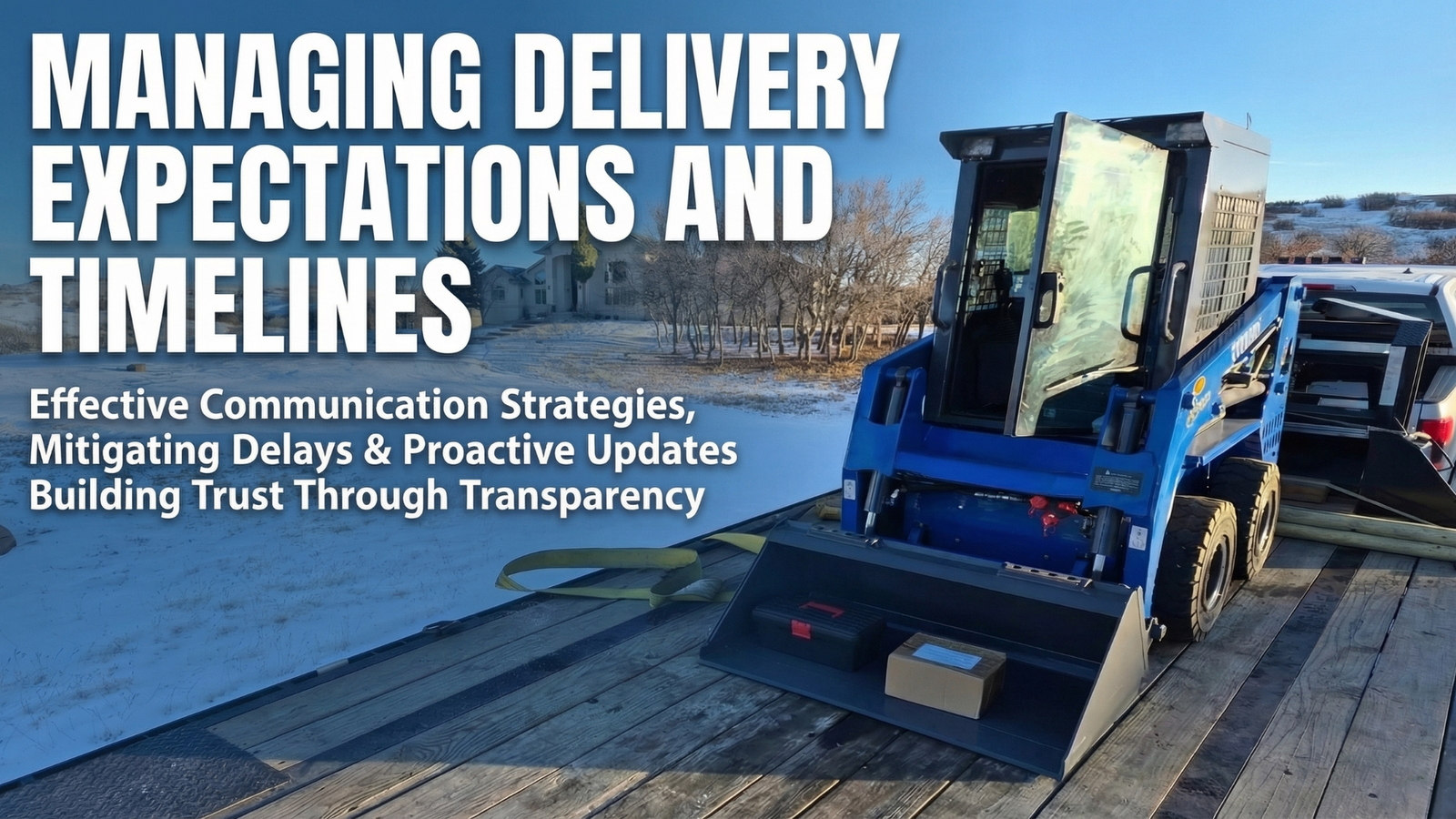
In an era of next-day delivery, the timeline for importing heavy machinery can be a shock. Patience is a requirement. Transit times vary wildly depending on the origin and destination ports, but a typical ocean voyage can take anywhere from 20 to 45 days. This does not account for the time spent waiting for a vessel booking, loading at the origin port, or clearing customs upon arrival.
Buyers must also account for global supply chain disruptions. Port congestion can leave ships waiting at anchor for days or weeks before they can unload. Labor strikes, weather events, and geopolitical tensions can all add unpredictable delays. A common mistake buyers make is selling their old machine before the new one arrives, assuming a strict delivery date. This leaves them without equipment if a delay occurs.
The best strategy is to build a buffer into your schedule. If a seller quotes a 60-day delivery window, plan for 75 or 90 days. Treat the arrival date as an estimate rather than a guarantee. Maintaining open communication with your logistics provider is crucial; they can provide tracking updates and alert you to potential delays before they become critical issues for your project schedule.
Demystifying the Customs Maze
For many, the most intimidating part of importing is dealing with U.S. Customs and Border Protection (CBP). The paperwork is dense, the regulations are strict, and the penalties for non-compliance can be severe. This is not a DIY project. Attempting to clear heavy equipment through customs yourself is a recipe for disaster, often resulting in expensive storage fees while you scramble to fix errors.
The solution is to hire a licensed customs broker before the ship even leaves the origin port. A broker acts as your agent, filing the necessary documents, calculating duties, and ensuring compliance with all federal regulations. One critical area they handle is the Importer Security Filing (ISF), which must be submitted 24 hours before the cargo is loaded onto the vessel. Missing this deadline results in automatic fines often totaling thousands of dollars.
Beyond standard duties, heavy equipment faces specific scrutiny regarding environmental standards. The Environmental Protection Agency (EPA) requires that all imported engines meet U.S. emission standards. Your machine must have a compliant EPA label affixed to the engine, and the corresponding EPA Form 3520-21 must be filed at entry. If a machine arrives without this certification, it cannot legally enter the country and may be destroyed or exported at your expense. Additionally, the Department of Agriculture checks for soil contamination to prevent invasive species. A machine with dirty tracks or tires will be flagged for expensive cleaning before it is released.
The Warranty and Support Question
The biggest question with overseas equipment is: “Who fixes it when it breaks?” While local dealers are a great safety net for domestic machines, importing works a bit differently. You need to make sure the company standing behind the machine actually has your back.
Before you buy, check the warranty terms. Does it cover just the parts, or the labor too? If a major part fails, will they fly it to you fast, or will it take weeks on a ship? Reputable brands usually have parts warehouses already in your country to help you get back to work quickly.
Finally, watch out for “grey market” machines. These are built for other countries but sold here through unofficial channels. They might look the same, but the software or parts are often different. Local dealers might refuse to service them, and finding the right parts can be a total headache. Always double-check the serial number to ensure the machine is meant for your region and fully covered by the manufacturer.
Conclusion
The prospect of importing heavy equipment involves navigating a series of logistical hurdles, but the reward is often a substantial upgrade to your fleet at a competitive price. The horror stories of damaged goods and seized containers usually stem from a lack of preparation or an attempt to cut corners on professional services.
By securing comprehensive insurance, hiring a competent customs broker, verifying EPA compliance, and managing your schedule with a realistic buffer, you strip the risk out of the equation. You move from being a passive buyer hoping for the best to an informed importer in control of the process. With the right partners and a clear understanding of the landscape, the global market opens up, giving you access to the machinery you need to grow your business.